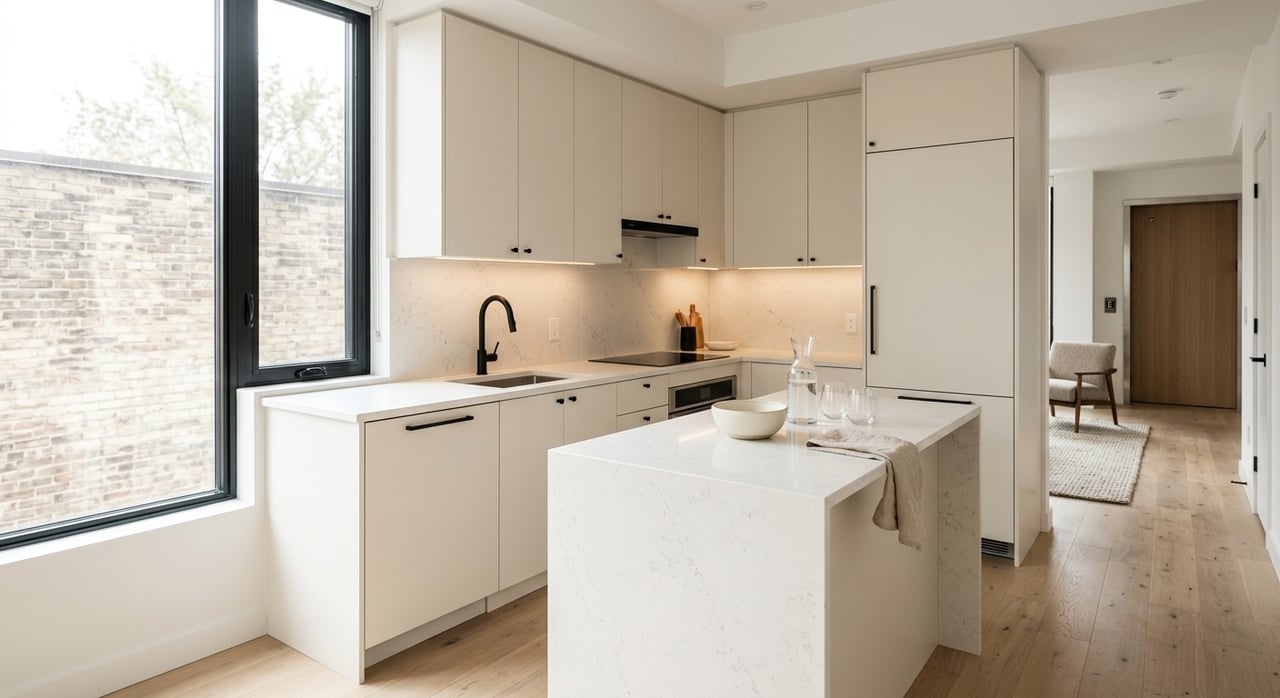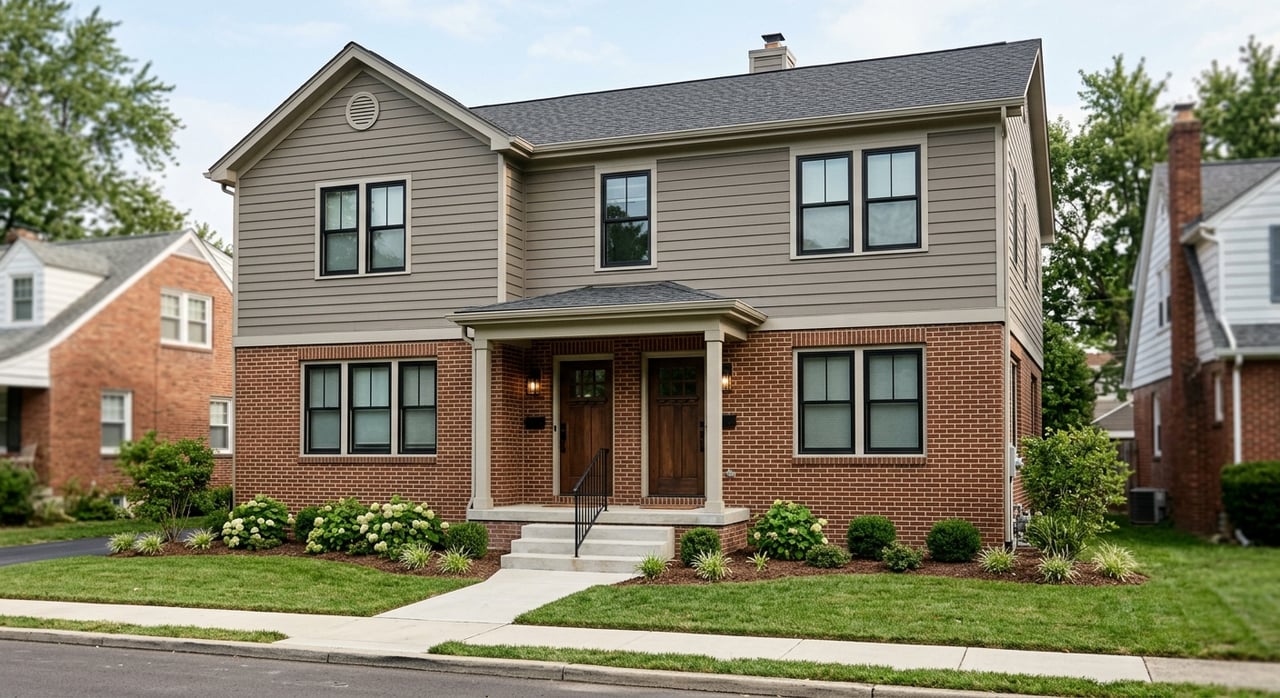
If you have lived in your home for many years, downsizing can feel like two major projects happening at once. You are not only preparing to sell, but also deciding what comes with you into your next chapter. In Bergen County, where home values and rental costs are both high, a successful move usually comes down to planning, timing, and clear financial decisions. Let’s dive in.
Why downsizing in Bergen County takes planning
Bergen County is a large, high-value housing market with 977,026 residents, a median age of 42.0, and 18.9% of residents age 65 and older, according to the U.S. Census QuickFacts for Bergen County. The same source shows a 65.3% owner-occupied housing rate and a median owner-occupied home value of $623,000.
That matters if you are selling a long-time home. In a market with strong values, your equity may create good options, but your next move still needs to be planned carefully. Downsizing is often about simplifying space and monthly responsibilities, but it also involves timing your sale, managing belongings, and comparing future housing costs.
Recent market snapshots show why expectations need to stay realistic. Redfin’s Bergen County housing market data reported a median sale price of about $699,500 in February 2026, while Realtor.com’s February 2026 page cited in the research showed a median listing price of $750,000, about 1,400 homes for sale, and a 102% sale-to-list ratio. That points to a market that can reward prepared sellers, but it does not remove the need for thoughtful prep.
Start earlier than you think
One of the biggest downsizing mistakes is waiting until the home is listed to begin the real work. In most cases, the sorting, decluttering, repair planning, and move coordination should start well before photos or showings are scheduled.
AARP recommends starting decluttering early and working room by room. Their guidance is practical: make easy decisions first, avoid building a giant maybe pile, and sort items into keep, donate, sell, or toss categories.
That approach fits the local market. The research report notes that Redfin showed an average 95 days on market in February 2026, while Realtor.com reported a 35-day median days on market. The exact timeline can vary, but the bigger lesson is simple: your move should begin months before closing, not after the sign goes up.
Build a readiness-based timeline
Instead of asking, “What is the best month to sell?” it can be more helpful to ask, “What needs to be ready before I list?” For many Bergen County sellers, that question leads to a smoother and less stressful process.
A readiness-based timeline often includes:
- Sorting and reducing household items
- Identifying simple pre-listing repairs
- Planning where you will move next
- Coordinating family or support help
- Preparing the home for photos and showings
- Mapping out your move-out schedule
This kind of planning is especially helpful if you are moving in stages or balancing personal, health, or scheduling needs. A calm, organized process can protect your energy and help you make better decisions.
What to expect when preparing your home
Downsizing prep is different from a standard move because you are making two sets of decisions at once. First, you are deciding how to present the current home for sale. Second, you are deciding what fits your next home and lifestyle.
AARP suggests using a floor plan for the next home so you can measure what furniture and belongings will realistically fit. That can save time, reduce moving costs, and help you avoid bringing too much into a smaller space.
A good rule is to focus on one room at a time. If the whole house feels overwhelming, progress is easier when you work through smaller categories and finish each space before moving to the next.
A simple sorting system
Here is a practical framework to use as you prepare:
- Keep: Items that fit your next home and daily life
- Donate: Useful items you no longer need
- Sell: Furniture or belongings with resale value
- Toss: Broken, expired, or unusable items
If you need extra support, AARP notes that a professional organizer or senior move manager can help create a timeline and guide decisions. For many households, outside help makes the process feel more manageable.
Budget carefully for your next move
Downsizing can improve your lifestyle, but it does not always mean your monthly costs drop automatically. In Bergen County, both ownership and rental costs deserve a close look.
The U.S. Census QuickFacts for Bergen County lists a median gross rent of $1,914, and the research report notes Realtor.com’s February 2026 asking-rent snapshot at $2,800. That means renting after a sale may offer flexibility, but it still requires real budgeting.
When you compare your next options, look beyond the headline number. You may want to weigh:
- Monthly rent or mortgage payment
- Utilities
- Security deposit or upfront cash needs
- Moving costs
- Storage costs
- HOA or maintenance fees, if applicable
- Property taxes and ongoing homeownership expenses
For some sellers, a smaller owned home may make more financial sense than renting. For others, a rental may be the right short-term bridge. The key is to compare total monthly carrying costs, not just the base payment.
Understand New Jersey seller costs
Before you sell, it helps to know which closing costs may affect your net proceeds. In New Jersey, one important item is the seller-paid Realty Transfer Fee.
According to the New Jersey Division of Taxation realty transfer information, the seller’s fee is summarized as 1% of the sale price on home sales, and buyers of homes over $1 million may owe an additional 1% fee. The state also notes that most sellers need to bring GIT/REP forms to closing.
Tax treatment can also depend on whether the home is your principal residence and whether you are a resident or nonresident seller. The New Jersey home buying and selling tax guide explains that resident sellers generally report gain on the NJ-1040, while some nonresidents may need to prepay estimated tax at closing unless an exemption applies.
Home sale taxes to review early
If your home has appreciated significantly, it is smart to review possible capital gains treatment before listing. At the federal level, IRS Publication 523 says homeowners may exclude up to $250,000 of gain, or $500,000 for married couples filing jointly, if they meet the ownership and use tests.
That same IRS publication also notes that rental use or business use can affect the exclusion. If you rented part of the home or used part of it for business, planning ahead is especially important.
This is one reason downsizing works best when you give yourself time. Financial decisions are easier when you are not trying to solve everything right before closing.
Look into New Jersey property tax relief
If you plan to remain in New Jersey after downsizing, property tax relief programs may be worth reviewing. The state now uses a single application for Senior Freeze, ANCHOR, and Stay NJ.
According to the state, ANCHOR applies to residents who own or rent a main home in New Jersey and meet income limits. Stay NJ is for eligible homeowners age 65 and older and currently uses a 2025 benefit cap of $6,500.
Programs and eligibility can change, so it is worth checking the current rules as part of your next-home budget planning. Even if you are focused on the sale right now, future tax relief may affect what type of home makes sense next.
Use local support resources
Downsizing does not have to be a solo project. Bergen County offers public resources that may be helpful if you need guidance, transportation support, or help connecting with services.
The Bergen County Division of Senior Services states that it helps adults 60 and older, people with disabilities, and caregivers access long-term care, community-based, health, and human services. Its service directory includes housing assistance, transportation, public benefits, in-home services, and information and assistance.
The county also offers Community Transportation services with scheduled, door-to-door service when possible for seniors, frail residents, and people with disabilities. Available trip purposes may include medical visits, shopping, recreation, education, Meals on Wheels, and senior centers.
These resources can be useful if your move requires extra coordination or if you are helping a parent or family member through the process.
What a smoother selling process looks like
In a downsizing sale, the goal is not just to get to closing. The goal is to move through the process with less stress, better timing, and a clear understanding of your next step.
That usually means creating a plan that covers the home prep, the sale timeline, the financial side, and the move itself. It also means making decisions in the right order so you are not rushed into repairs, packing, or housing choices.
If you are thinking about downsizing and selling in Bergen County, working with someone who values communication, pacing, and hands-on coordination can make a real difference. When you are ready for a calm, informed conversation about your options, connect with Raquel Pena for guidance tailored to your next chapter.
FAQs
How early should you start downsizing before selling a Bergen County home?
- A several-month lead time is often realistic because decluttering, repairs, and move planning can take longer than expected, and local market timing can still vary.
What costs should sellers expect when selling a home in Bergen County, New Jersey?
- Many sellers should plan for New Jersey closing costs such as the seller-paid Realty Transfer Fee, possible tax paperwork at closing, moving expenses, and any pre-listing repair or preparation costs.
Is renting after selling in Bergen County always cheaper than buying smaller?
- No. Bergen County rent benchmarks are still high, so it is important to compare rent, utilities, deposits, and moving costs against the monthly cost of owning a smaller home.
Are there tax breaks for selling a primary residence in New Jersey?
- Federal rules may allow eligible homeowners to exclude up to $250,000 of gain, or $500,000 for married couples filing jointly, and New Jersey tax treatment depends on residency and other factors.
Where can older adults find Bergen County downsizing support?
- Bergen County Senior Services and Community Transportation are strong local starting points for information, support services, and transportation-related help during a move.