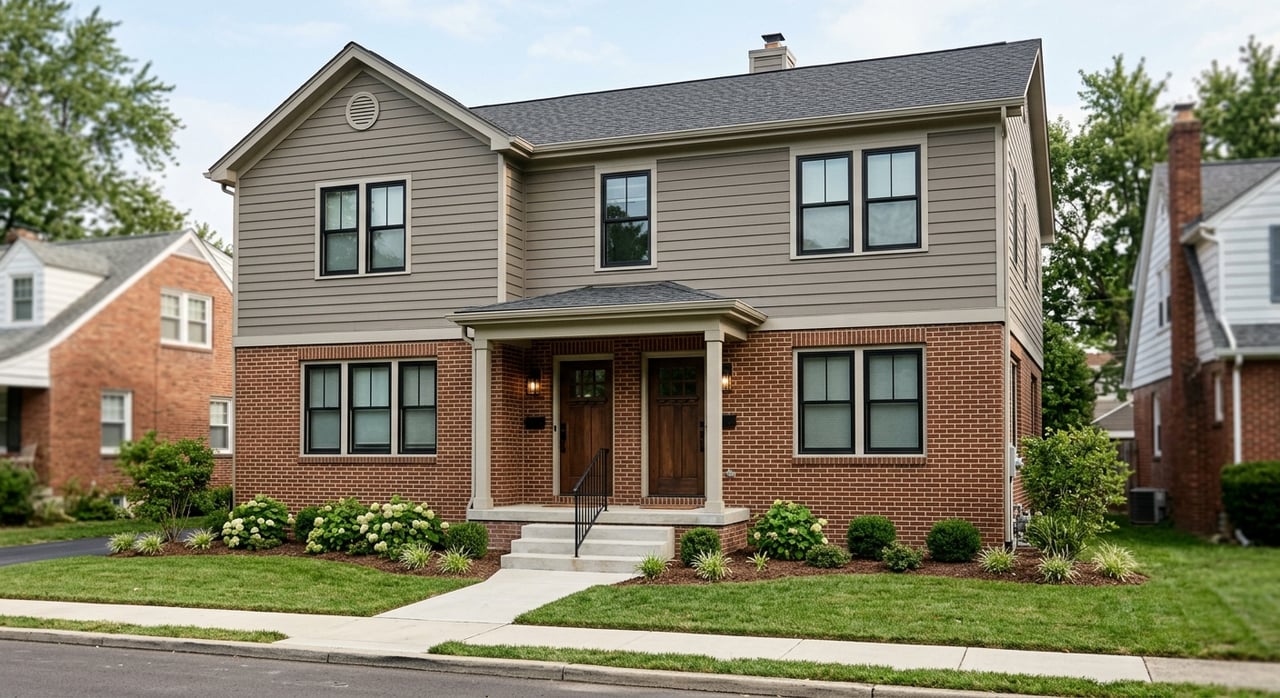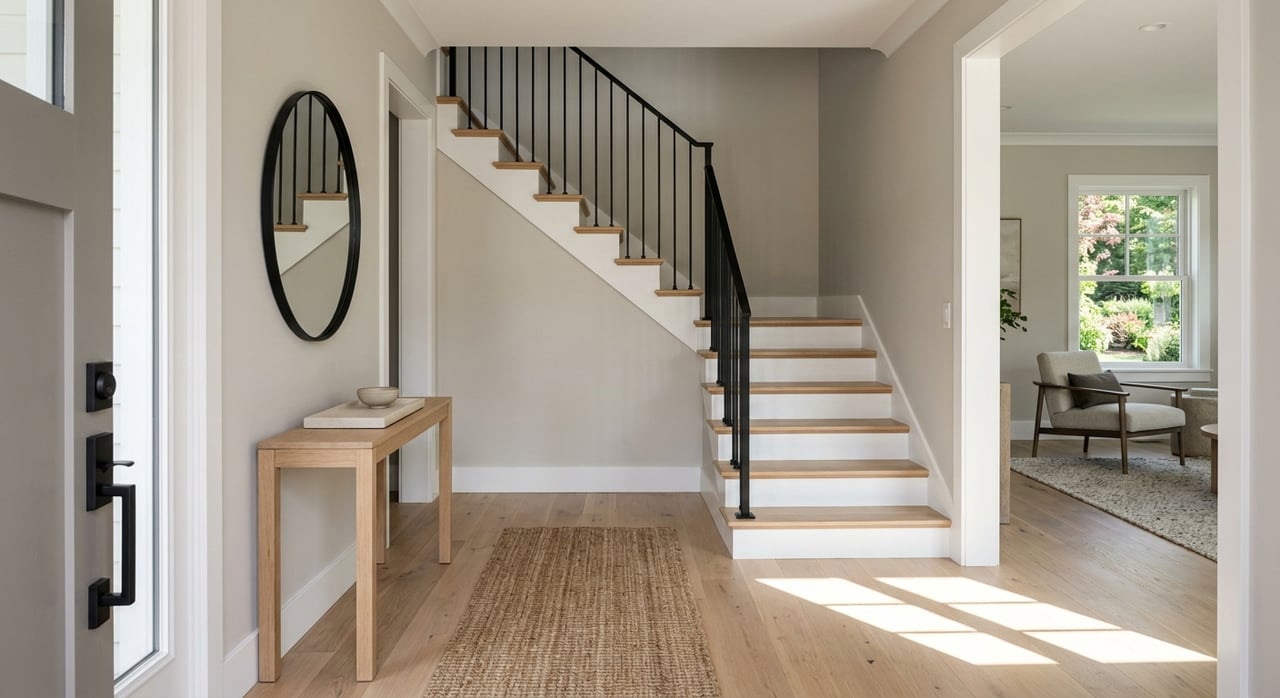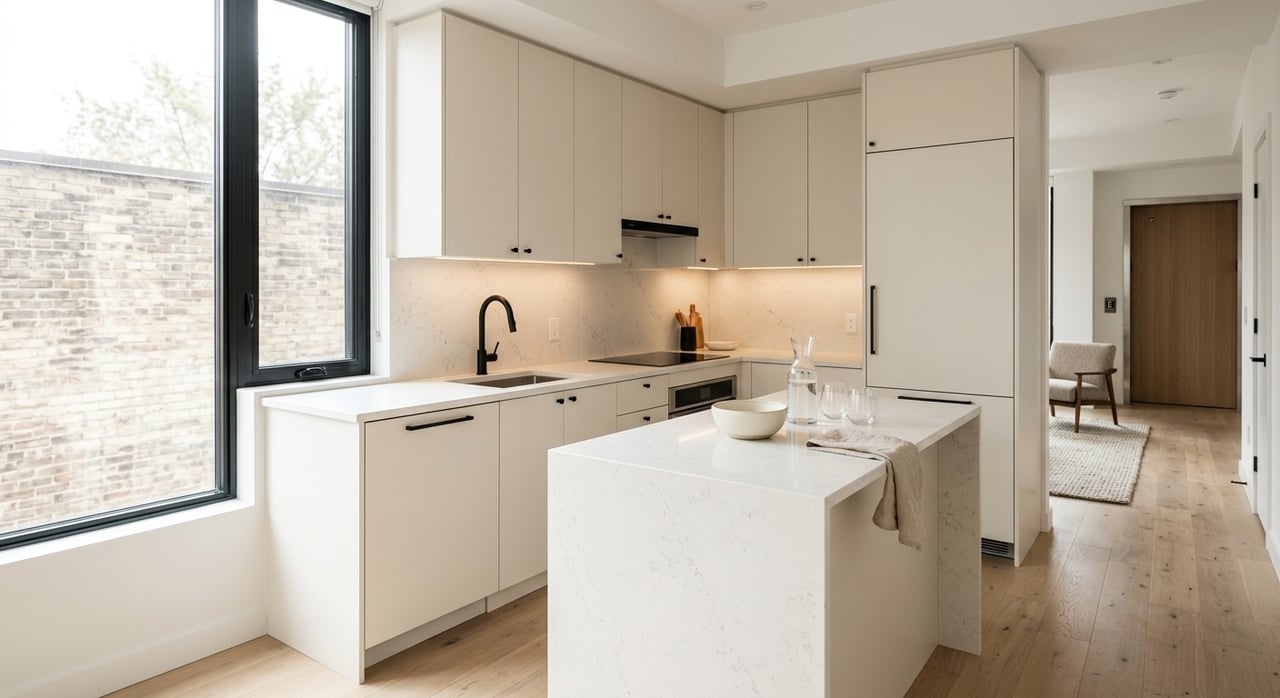
Selling a home in Hudson County can feel like a lot at once. You may be juggling work, family routines, building rules, paperwork, and the pressure to make a strong first impression in a fast-moving market. The good news is that you do not need to do everything at once or spend on a full remodel to get ready. With the right prep plan, you can reduce stress, stay organized, and make your home easier for buyers to understand and appreciate. Let’s dive in.
Why Hudson County prep looks different
Hudson County is not a one-size-fits-all market. It is dense, commuter-oriented, and full of property types that range from condos and attached homes to multifamily buildings. That matters because buyers often pay close attention to layout, storage, access, and day-to-day functionality.
Current market conditions also support a smart, organized approach. As of April 2026, Hudson County had 2,318 homes for sale, a median listing price of $599,990, a median sold price of $640,250, and a median of 36 days on market. Homes were selling for about asking price on average in March 2026, which means presentation and pricing still matter.
Pricing can also vary widely across the county. Reported median listing prices range from $985,000 in Hoboken and $948,500 in Weehawken to $699,000 in Jersey City, $449,500 in Union City, and $355,000 in West New York and Guttenberg. In other words, the best prep plan depends on your location, property type, and price point.
Start with a low-stress plan
When selling feels overwhelming, the goal is not perfection. The goal is to create a home that shows clearly, answers buyer questions more easily, and helps you avoid last-minute scrambling. A step-by-step plan usually works better than trying to tackle everything in one weekend.
A practical prep sequence looks like this:
- Declutter and simplify the space
- Gather paperwork early
- Handle light updates that improve first impressions
- Stage the home so it is photo-ready and easy to maintain
- Build a showing plan that fits your routine
Declutter first
If your home is a condo, attached property, or compact layout, clutter can make it feel smaller than it is. In Hudson County, where many buyers compare usable space quickly, clear surfaces and easy walking paths matter. Buyers tend to notice how a home flows almost immediately.
Start with the areas that affect visual space the most. Focus on entryways, kitchen counters, bathroom surfaces, closets, and any room with oversized furniture or too many personal items. You do not need to erase your life from the home, but you do want buyers to see the room before they see your storage challenges.
Try to keep your decluttering list simple:
- Clear floors and walkways
- Remove extra countertop items
- Organize closets and storage areas
- Pack rarely used items early
- Store personal papers and valuables securely
Gather paperwork before you need it
One of the easiest ways to reduce seller stress is to start your paperwork file early. New Jersey’s Seller’s Property Condition Disclosure Statement asks about additions, structural changes, and whether proper permits and approvals were obtained. If you wait until a buyer is asking questions, this step can become much more stressful.
Set aside time to collect repair invoices, warranty information, permit approvals, and records for past work. If your property has more than one unit or more than one major system, the state form says you should answer for all units, systems, and features, even if the question appears to be singular. That is especially important for multifamily properties and homes with separate heating, plumbing, or electrical setups.
Paperwork to collect early
- Repair and maintenance records
- Warranty documents
- Permit approvals
- Records of additions or structural changes
- Notes on major systems for all units, if applicable
Focus on light updates, not a full remodel
Many sellers feel pressure to renovate before listing. In most cases, that is not the best place to start. A clean, well-maintained home with fewer visible distractions is often more useful than an expensive update that does not match your market or timeline.
Prioritize issues that affect first impressions or are likely to come up during buyer diligence. The New Jersey disclosure form specifically asks about things like roof leaks, basement or crawlspace dampness, mold, pests, structural movement, fire, wind, or flood damage, and problems with driveways, walkways, patios, sinkholes, or retaining walls. If you know about issues in those categories, it is wise to address them or organize documentation before listing.
This is where practical decision-making matters. Fresh paint, deep cleaning, minor repairs, and replacing visibly worn items can go a long way. Over-improving the home for your area may not reduce stress or increase your return.
Stage for photos and real life
Staging does not need to mean turning your home into a showroom. In many cases, the best standard is simple: photo-ready and easy to reset. That means your home looks clean and welcoming online, but it also stays manageable when showings begin.
This matters because buyer interest often starts with photos. If your home photographs well, buyers can better understand the rooms, light, and layout before they walk in. Once showings begin, a simple setup is easier to maintain than a highly styled one that disrupts your routine.
A few staging priorities can make a big difference:
- Let in natural light where possible
- Use simple, neutral bedding and towels
- Keep kitchen and bath surfaces mostly clear
- Remove bulky or extra furniture if rooms feel tight
- Create a clean, open look in the main living areas
It also helps to keep expectations realistic. The disclosure form is not a warranty, and buyers are still expected to inspect the property and surrounding area themselves. Good staging supports a strong first impression, but it should not suggest that a buyer can skip their own due diligence.
Expect questions beyond the disclosure form
Even when your paperwork is complete, buyers in Hudson County may still have practical questions. In a dense county, people often want to know about noise, parking, traffic, transit access, and building logistics. The buyer acknowledgment on the New Jersey disclosure materials notes that the form is meant to cover the property itself, not local conditions such as noise, odors, or traffic volume.
That means it helps to think ahead about how you will answer common day-to-day questions. If your building has move-in rules, specific entry procedures, or limited showing hours, it is better to organize that information early. Clear answers can lower friction for everyone involved.
Build a repeatable showing plan
Showings are often the most stressful part of selling, especially if you still live in the home. In Hudson County, predictable systems matter. Census data shows a mean commute time of 35.4 minutes, and 56.5% of residents speak a language other than English at home, which makes clear instructions and simple routines especially useful.
A written showing plan can help protect your privacy and reduce daily disruption. Instead of starting from scratch each time, you can use the same checklist before every showing. That makes the process feel more manageable and helps your home stay consistently ready.
What to include in your showing plan
- Preferred showing windows
- Entry or lockbox instructions
- Pet care notes
- Alarm directions
- A quick tidy-up checklist
- A list of items to secure or hide
If you are balancing a commute, children, pets, tenants, or a busy building schedule, this kind of planning can make a big difference. The goal is not just buyer access. It is creating a system that works for you.
Plan for New Jersey seller logistics early
Stress often comes from surprises, not just tasks. That is why it helps to identify major New Jersey seller responsibilities before your home goes live. A few items can affect your timing, paperwork, and net proceeds.
One key example is the Realty Transfer Fee. New Jersey says this fee generally applies to every conveyance of title unless an exemption applies, and sellers are responsible for the Realty Transfer Fee and the Graduated Percent Fee on certain higher-value transfers. Knowing this early can help you plan your net sheet more accurately.
Flood-related disclosures also deserve early attention. The updated New Jersey Seller’s Property Condition Disclosure Statement, required for residential sellers beginning March 20, 2024, includes questions about whether the property is in a FEMA Special Flood Hazard Area or Moderate Risk Flood Hazard Area, whether it has experienced flood damage or pooled water, and whether flood insurance is required by federal law. If your property may be affected, gather that information upfront.
Know the rules for older homes
If your home was built before 1978, lead-based paint disclosure rules may apply to most housing from that period. The New Jersey Department of Health says sellers and landlords must disclose known lead-based paint hazards and provide the required pamphlet. The rule does not require the seller to test for or remove lead-based paint before selling.
This is another reason document prep matters. If your home is older, understanding what you know and what records you have can make the process smoother. It also helps you avoid a last-minute scramble once offers start coming in.
What matters most before listing
If you are trying to keep things simple, focus on the steps that reduce confusion and improve clarity. In a balanced market, buyers still notice condition, layout, and ease of showing. A clean home, accurate disclosures, and a solid showing system can do more for your stress level than chasing every possible upgrade.
Hudson County sellers do not all need the same checklist. A condo in Union City, a multifamily in Jersey City, and a higher-priced property in Hoboken or Weehawken may each need a different prep strategy. The best plan is one that fits your home, your timing, and your comfort level.
If you are getting ready to sell and want calm, practical guidance, Raquel Pena can help you build a smart prep plan, understand the numbers, and get your Hudson County home ready with less stress.
FAQs
What should Hudson County sellers do first before listing a home?
- Start by decluttering, clearing storage areas, and gathering paperwork like repair records, warranties, and permit approvals.
What repairs matter most when selling a home in Hudson County?
- Prioritize visible issues, maintenance concerns, and known problems that may appear on the New Jersey Seller’s Property Condition Disclosure Statement.
How fast are homes selling in Hudson County right now?
- As of April 2026, the reported median time on market in Hudson County was 36 days.
What seller costs should Hudson County homeowners plan for in New Jersey?
- New Jersey sellers generally pay the Realty Transfer Fee at closing, and certain higher-value transfers may also include the Graduated Percent Fee.
What disclosures should New Jersey sellers be ready for before listing?
- Sellers should be prepared to disclose known material defects, answer updated flood-related questions, and, for many pre-1978 homes, provide lead-based paint disclosures if applicable.