If you are looking at mixed-use or multifamily property in Bergen County, the numbers on the listing sheet only tell part of the story. In this market, deal quality often comes down to zoning, lease structure, property taxes, and how the building fits into a town’s local rules. When you understand those moving parts, you can compare opportunities with more confidence and avoid expensive surprises. Let’s dive in.
Why Bergen County stands out
Bergen County is a large, high-cost market with 978,641 residents, 371,241 housing units, and a median value of owner-occupied housing of $623,000, according to the U.S. Census QuickFacts. The county also has a median gross rent of $1,914 and a mean travel time to work of 31.2 minutes, which helps explain why location, access, and income stability matter so much here.
The housing stock is still largely owner-occupied single-family homes, but county planning materials show a clear shift in new construction. From 2010 to 2020, multifamily accounted for 63.3% of new housing units, and mixed-use units increased significantly during that period, according to Bergen County land use and housing planning materials. For you as an investor, that means Bergen County is not just a suburban housing market. It is also a place where redevelopment, transit access, and corridor properties can shape long-term value.
What counts as multifamily
For smaller residential investment properties, a practical definition of multifamily is often 2 to 4 units. That lines up with Fannie Mae’s Small Residential Income Property Appraisal Report, which is designed for two- to four-unit properties.
In real life, that may include a two-family, three-family, or four-family building where all units are residential. These properties are often easier to understand than larger apartment buildings because the income sources are more straightforward, but you still need to review rents, expenses, condition, and local regulations carefully.
Common small multifamily setups
In Bergen County, you may come across:
- Side-by-side or stacked 2-family homes
- Older 3-family and 4-family buildings
- Owner-occupied small multifamily properties
- Smaller income properties in walkable or commuter-oriented areas
The core question is simple: How stable is the rental income after taxes, repairs, and ongoing expenses?
What counts as mixed-use
A mixed-use property combines residential space with a business use such as retail, office, service space, or daycare. Fannie Mae’s mixed-use appraisal requirements make clear that the business use must be legal and permissible under local zoning.
That matters in Bergen County because redevelopment pressure is active in downtowns, commercial corridors, and transit-adjacent locations. The county’s work on Bergen Junction in Hackensack is one example of how redevelopment, transportation, and housing are intersecting in the local market.
Common mixed-use setups
In Bergen County, mixed-use opportunities often look like:
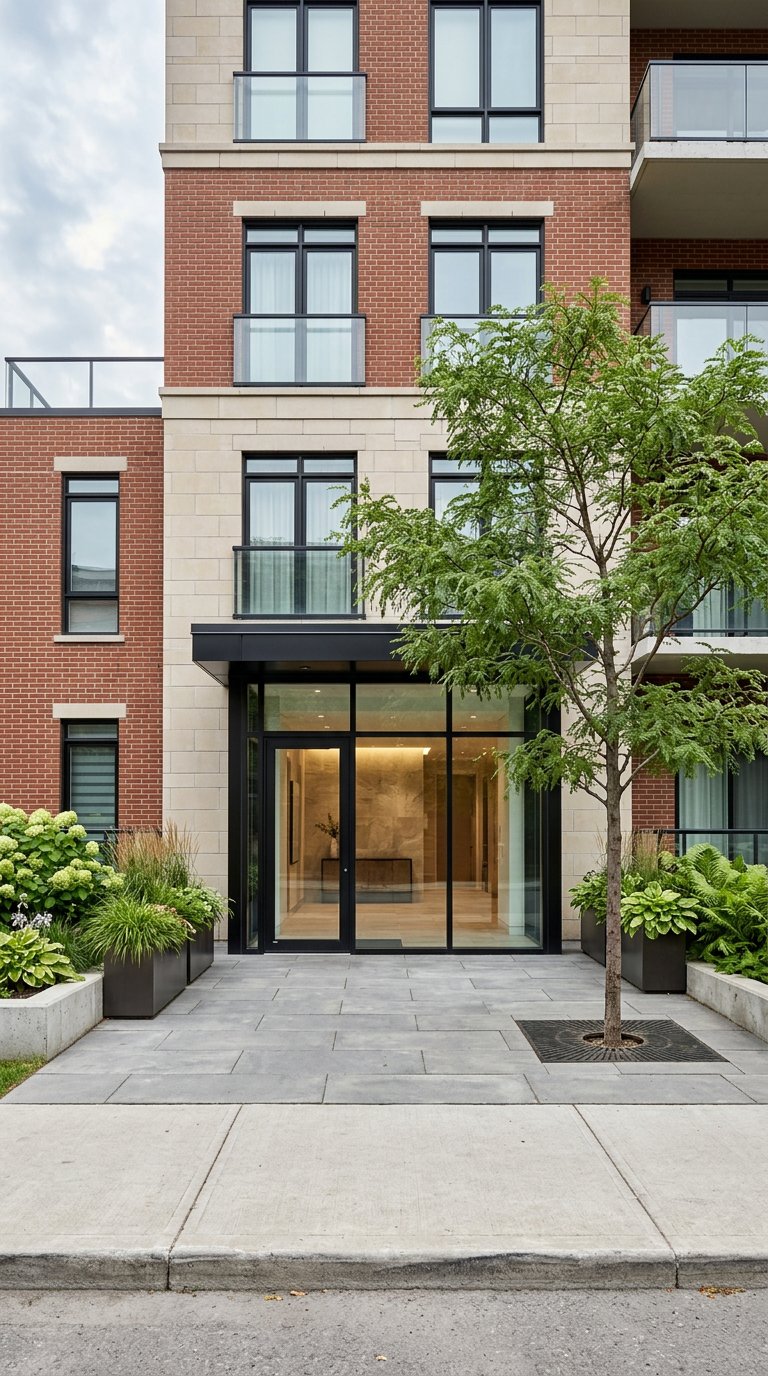
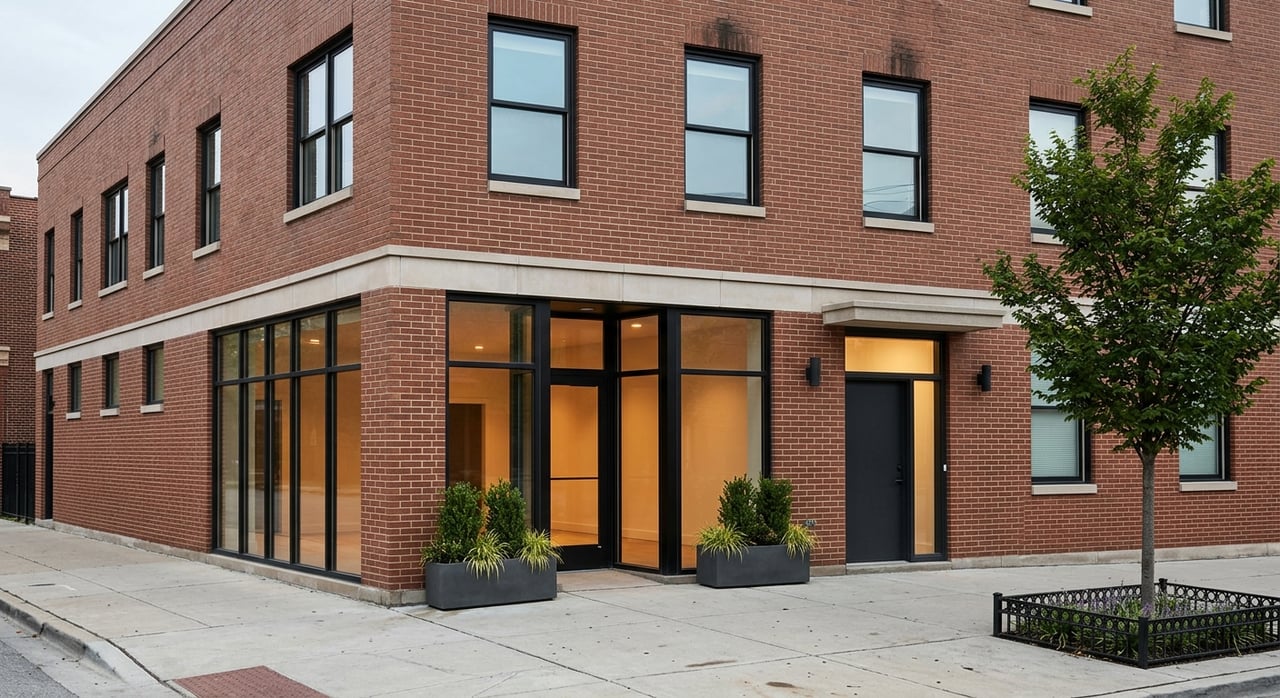
- Street-level retail with apartments above
- Main street buildings with one or more commercial spaces
- Small office and residential combinations
- Older corridor properties with flexible income streams
These properties can produce attractive cash flow, but they also add complexity. You are not just reviewing apartments. You are also reviewing a business space, its lease, its use, and its fit within zoning.
How mixed-use deals differ from multifamily deals
The biggest difference is how many variables affect income stability. In a small multifamily property, your main focus is usually residential rents, tenant turnover, maintenance, and operating costs.
In a mixed-use property, income needs to be reviewed in layers. You may have residential rent, commercial base rent, reimbursements, other income, and different vacancy patterns. The commercial portion can strengthen the deal, but it can also increase risk if the tenant is weak, the space is specialized, or downtime is longer than expected.
Quick comparison
| Property type | Main income source | Main risk points |
|---|---|---|
| Small multifamily | Residential rents | Turnover, repairs, taxes, local rent rules |
| Mixed-use | Residential plus commercial rent | Zoning, commercial vacancy, tenant credit, buildout needs |
Start with legal use and zoning
For mixed-use assets, zoning is one of the first things to confirm. Fannie Mae’s guidance states that the commercial use must be a legal, permissible use under local zoning. If a property has a business space that does not match current rules, your financing, valuation, or exit strategy may become more complicated.
This is especially important in Bergen County, where redevelopment and planning review play a large role in how sites evolve. Bergen County’s development review division reviews site plan and subdivision applications and considers issues like county roads, drainage, transportation, and redevelopment impacts.
If the property fronts a county road or involves site changes, county review may become part of your timeline. That is why legal use is never something to assume.
Review leases as separate income systems
One of the most common mistakes in mixed-use underwriting is treating every tenant the same. Residential and commercial leases should be reviewed separately because they operate differently.
New Jersey’s Truth in Renting guide governs residential landlord-tenant issues and notes that the state does not have a statewide rent-control law. However, municipalities may adopt rent-control or rent-leveling ordinances, so each Bergen County town needs its own review.
Residential lease items to check
For the residential side, review:
- Current rent and payment history
- Security deposit handling
- Lease start and end dates
- Rent-control status by municipality
- Any maintenance or habitability concerns
New Jersey also requires security deposits to be held in an insured New Jersey financial account, with interest belonging to the tenant, and the deposit generally must be returned within 30 days after tenancy ends, less lawful deductions, according to the same Truth in Renting guide.
Commercial lease items to check
For the commercial side, review:
- Base rent
- Lease term and renewal options
- Responsibility for taxes, utilities, and repairs
- Use clause and any restrictions
- Tenant strength and business stability
This side-by-side review helps you see whether the commercial unit improves the property’s reliability or adds uncertainty.
Underwrite Bergen County taxes carefully
Property taxes can change the entire deal. New Jersey’s 2024 average residential tax bill report shows Bergen County at an average of $13,600, with municipal averages ranging from $1,937 in Teterboro to $24,741 in Demarest.
That wide spread is why you should not compare deals on price and rent alone. Two buildings with similar gross income can perform very differently after taxes. If you are building a pro forma, stress test the current tax bill and also consider the possibility of reassessment or appeal.
The same state report notes that owners can file tax appeals with the county board of taxation regardless of assessment amount. That does not guarantee a lower bill, but it does mean taxes should be reviewed as an active underwriting item, not just a number copied from a listing.
Focus on NOI and debt coverage
The clearest way to evaluate either property type is through net operating income. A simple framework is:
Effective gross income - operating expenses = net operating income
Fannie Mae defines DSCR as net cash flow divided by principal, interest, and required mezzanine or preferred-equity payments. In plain English, this tells you how comfortably the property’s income covers its debt.
Cap rates also matter because they convert expected NOI into present value. If you are comparing Bergen County properties in different towns or with different lease profiles, a cap rate without context can be misleading. A lower-risk building and a more complex mixed-use building should not automatically be judged the same way.
Stress expenses, not just income
Optimistic expense assumptions can make a weak deal look strong. Fannie Mae’s inflation underwriting guidance warned that taxes and insurance have been rising faster than historical averages, which is especially relevant in high-cost markets.
When you review Bergen County mixed-use or multifamily deals, make sure you stress:
- Property taxes
- Insurance
- Utilities
- Repairs and maintenance
- Management
- Reserves
- Vacancy and credit loss
A property that looks attractive on gross rent can feel very different once these costs are applied realistically.
Build a practical due-diligence checklist
Good investing is often about asking the right questions early. For Bergen County, a strong checklist should include legal, physical, and financial review.
Bergen County due-diligence basics
- Confirm zoning and legal use, especially for mixed-use space
- Review residential and commercial leases separately
- Check municipal rent-control status
- Verify rent roll and trailing financials
- Confirm meter setup and utility responsibility
- Review parking, signage, and access
- Inspect roof, HVAC, life safety systems, and common areas
- Review flood-map exposure
- Check for environmental issues
- Identify any municipal or county approvals needed
Fannie Mae’s appraisal materials for 2-4 unit properties specifically call for flood-map review and identification of adverse physical conditions. That matters in Bergen County because county hazard planning treats flood and other natural hazards as material issues in development and planning.
Why local guidance matters
Bergen County deals are highly local. Municipal rent rules can differ, property tax levels vary sharply, redevelopment activity can affect future value, and a property’s location near transit or a commercial corridor may change both demand and risk.
That is why asking price alone is not enough. The better question is what the building looks like after taxes, after legal-use review, and after realistic capital and operating costs. When you evaluate deals that way, you can make more confident decisions and avoid chasing a property that only works on paper.
If you are exploring a mixed-use or multifamily purchase in Bergen County, working with someone who understands the numbers, the local market, and the moving parts can save you time and protect your downside. If you want a clear, practical review of your options, connect with Raquel Pena for guidance grounded in experience, communication, and a finance-forward approach.
FAQs
What is a mixed-use property in Bergen County?
- A mixed-use property typically combines residential space with a commercial use, such as retail, office, service space, or daycare, and the commercial use should be legal under local zoning.
What is considered a small multifamily property in Bergen County?
- In most practical lending and appraisal discussions, small multifamily usually means a 2-unit, 3-unit, or 4-unit residential property.
Do Bergen County properties have rent control?
- New Jersey does not have a statewide rent-control law, but some municipalities may have local rent-control or rent-leveling ordinances, so each town should be checked individually.
Why are property taxes so important in Bergen County investment deals?
- Property taxes vary significantly by municipality, and those differences can materially change cash flow, value, and your overall return.
What should you review before buying a mixed-use property in Bergen County?
- You should review zoning, legal use, residential and commercial leases, municipal rent rules, property condition, taxes, utilities, flood exposure, and any county or municipal approval issues.
Why does local expertise matter for Bergen County multifamily and mixed-use investing?
- Bergen County deals often involve town-specific tax differences, local rent rules, redevelopment factors, and transit-related demand patterns, so local guidance helps you compare opportunities more accurately.