If Bergen County prices make homeownership feel just out of reach, house hacking may be worth a closer look. For many first-time buyers, the goal is not getting rich from rent. It is making a purchase more manageable by living in one part of the property and renting out the rest. In a county where home values are high, that strategy can open a different path to ownership. Let’s dive in.
Why house hacking gets attention in Bergen County
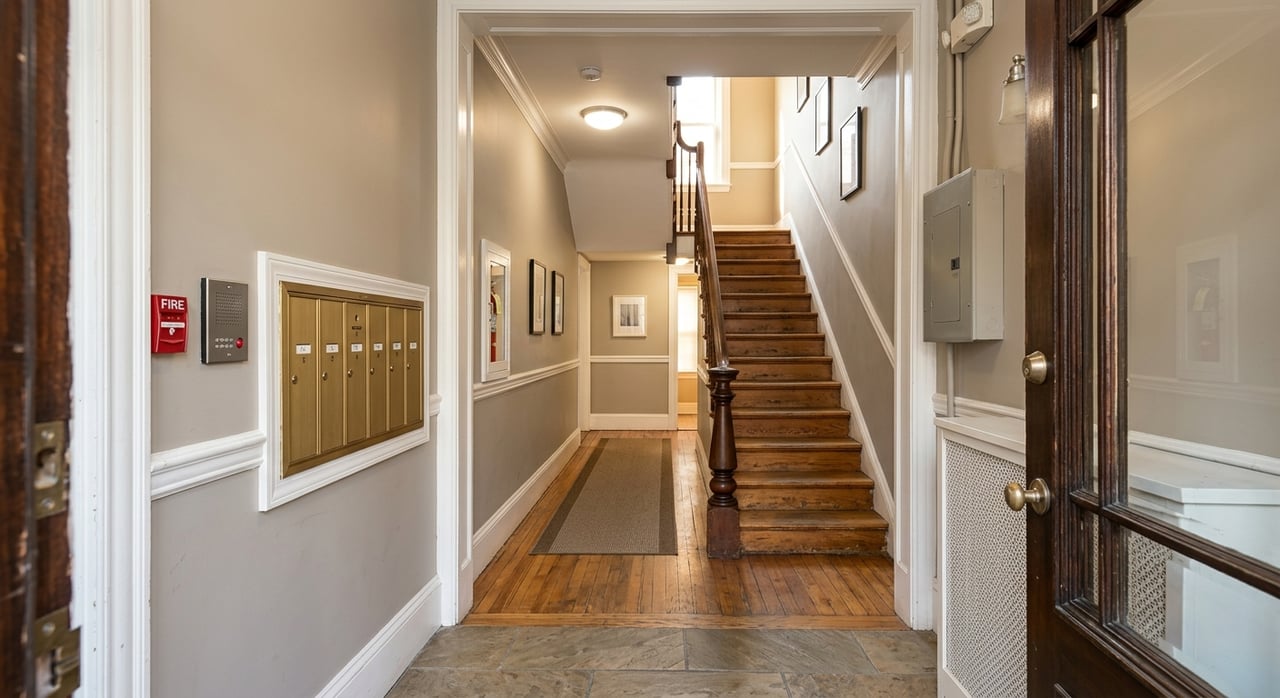
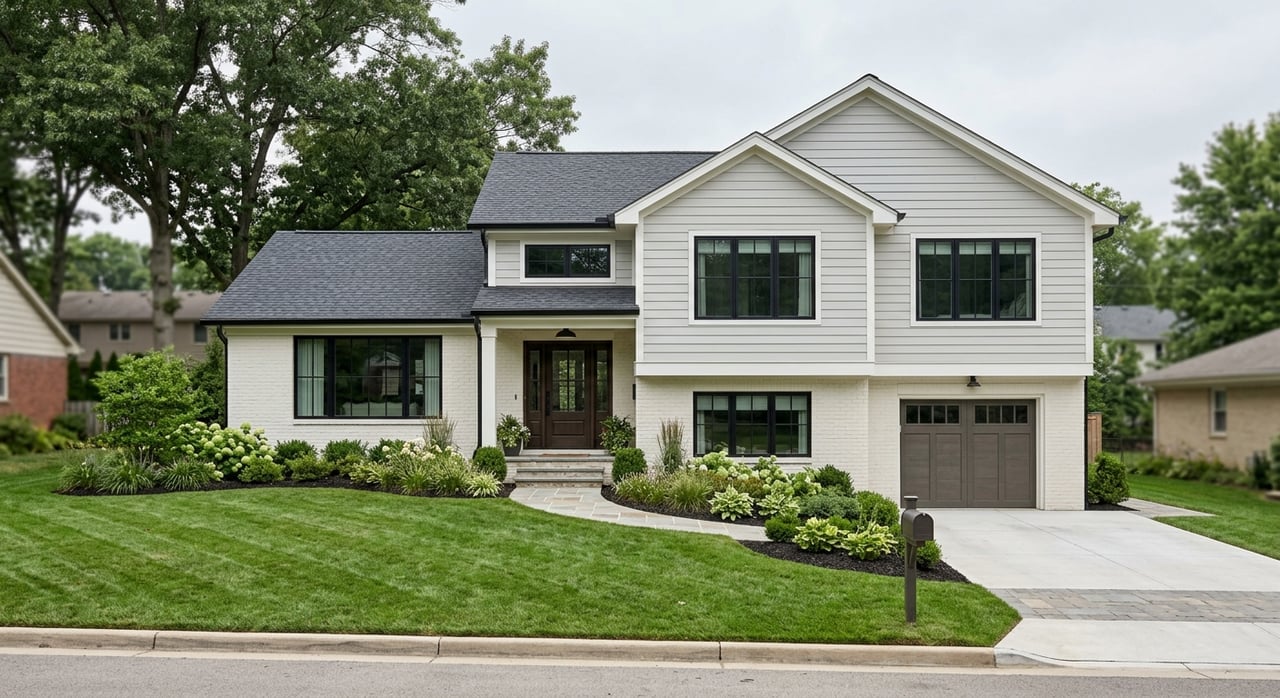
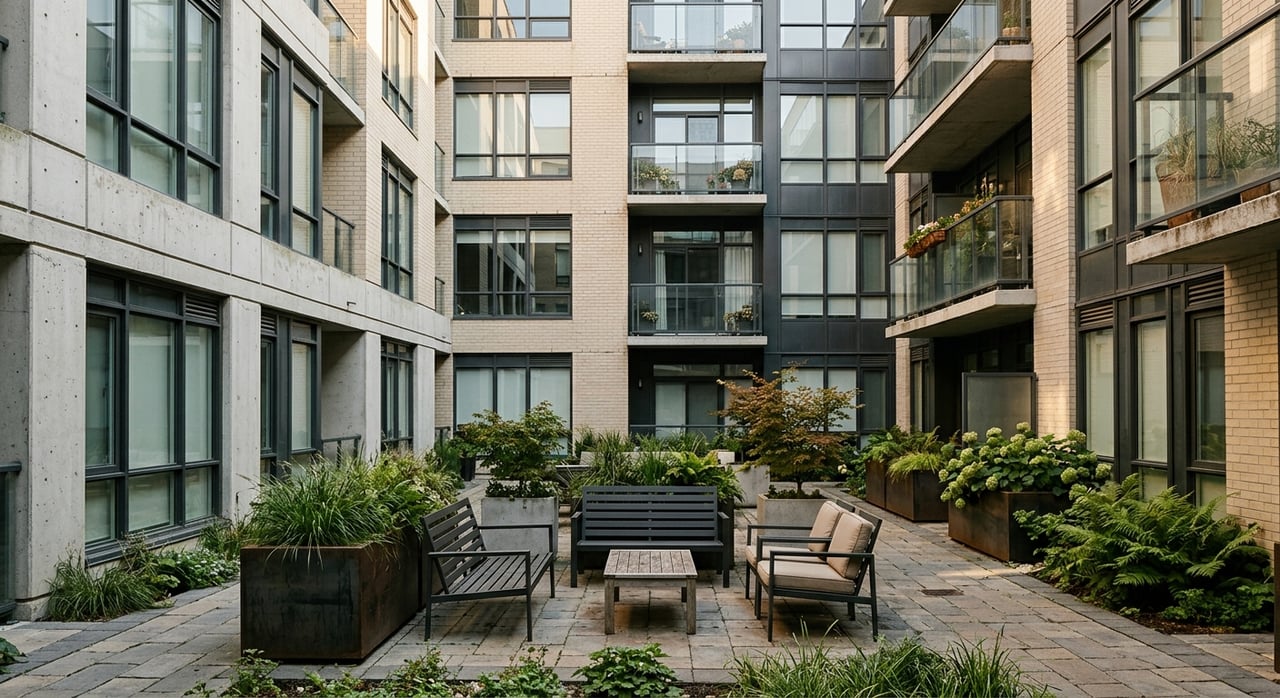
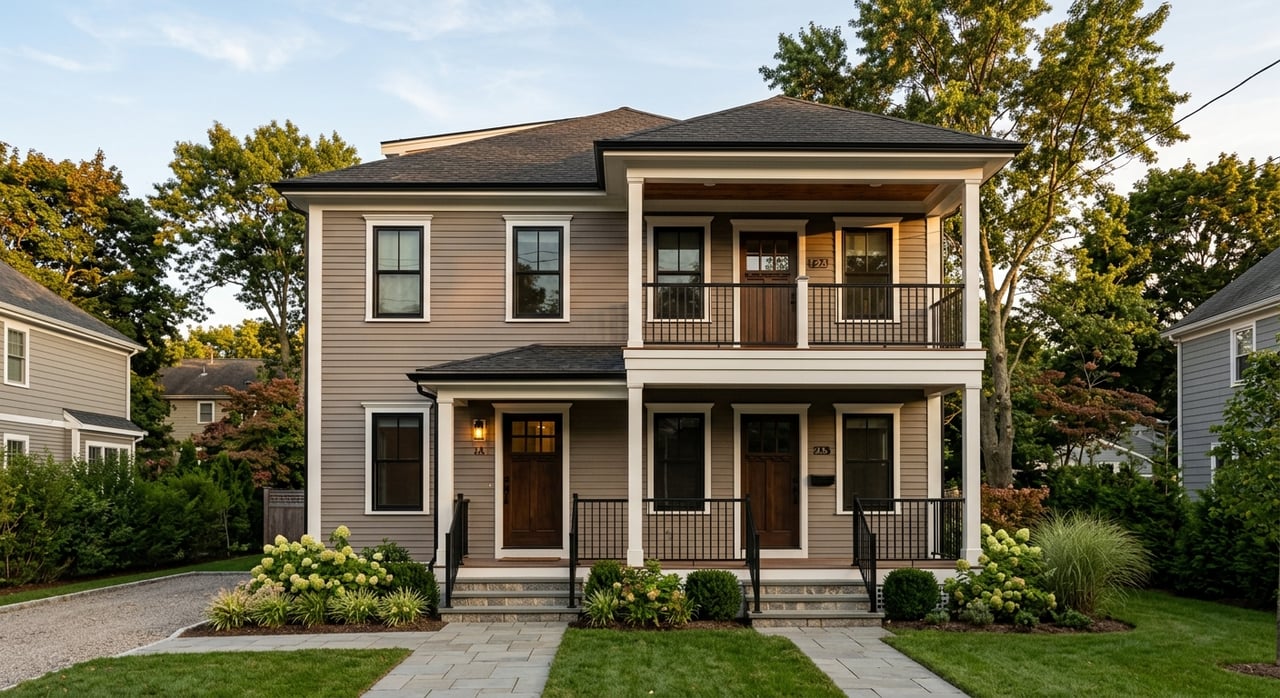
House hacking usually means you buy a primary residence and rent out part of it to help cover your monthly housing costs. The most common setup is a two- to four-unit property where you live in one unit and rent the others. Some buyers also consider room rentals or mixed-use properties, but those can come with extra rules.
That idea gets more attention in Bergen County because the local price point is high. Zillow reported an average home value of $791,116 in Bergen County as of June 30, 2026, along with a median sale price of $760,000 and 2,362 homes for sale. Redfin reported a median sale price of $787,638 for the three months ending May 2026 and median days on market of 63.
Those numbers help explain the appeal, but they do not guarantee a result. House hacking works best as a budgeting strategy, not a promise of profit. Your outcome still depends on the purchase price, repair needs, vacancy, and realistic local rent levels.
What properties can work
The clearest version of house hacking for financing is an owner-occupied two- to four-unit property. Fannie Mae allows rental income from the subject property when you live in one of the units. That makes duplexes, triplexes, and fourplexes the most straightforward options to explore with your lender.
Mixed-use properties can also come up in Bergen County, especially in North Jersey markets with varied building types. But these purchases are more complex than a standard multifamily home. The property has to meet lender rules, and the use has to be legal under local zoning.
For example, Fannie Mae only allows certain mixed-use principal residence loans when the property is one unit, the borrower owns and operates the business, the building is primarily residential, and the business use does not hurt residential marketability. FHA also allows mixed-use one- to four-unit properties in some cases if at least 51% of the building square footage is residential and the commercial use does not affect health or safety.
Bergen County zoning starts with the town
One of the biggest mistakes first-time buyers can make is assuming that if a building looks like a duplex, it is automatically legal as a duplex. In New Jersey, zoning is handled by each municipality, not countywide. That means the rules can change from one Bergen County town to the next.
Before you fall in love with a property, confirm what the local ordinance allows. You want to know whether the current use is legal, whether any approvals are needed, and whether the layout matches the permitted use. This matters even more if you are considering a mixed-use property or a home that has been altered over time.
This is one reason house hacking needs a careful, step-by-step approach. The right purchase is not just about the asking price. It is about legal use, financing fit, and whether the property truly supports your plan.
Financing options for first-time buyers
A common question is whether you need 20% down for a house hack. In many cases, no. Several owner-occupied loan programs allow lower down payments, but the exact amount depends on the loan type and the property.
HUD says FHA 203(b) can be used for principal residences with one- to four-unit structures, and the down payment can be as low as 3.5% in most cases. That can make FHA appealing for buyers who have steady income but limited cash for upfront costs.
Conventional low-down-payment options may also work. Freddie Mac Home Possible allows one- to four-unit properties and limits qualifying income to 80% of area median income. Fannie Mae HomeReady also permits two- to four-unit principal residences and allows rental income from the units you do not occupy to be treated as qualifying income.
If all occupying borrowers are first-time homebuyers using HomeReady, at least one borrower must complete an approved homeownership education course or HUD-approved housing counseling before closing. That may sound like one more box to check, but it can actually help you feel more prepared before you make an offer.
Compare loan products side by side
This is not a one-size-fits-all decision. FHA, HomeReady, and Home Possible each have their own rules for credit, reserves, occupancy, contributions, and how projected rent is handled. The best fit depends on your finances and the type of property you want to buy.
Ask your lender to compare your options side by side. You want to see how each program affects your down payment, monthly payment, cash-to-close, and qualifying flexibility. If rental income is part of your plan, make sure you understand exactly how the lender will document and count it.
Fannie Mae allows rental income to be documented with a lease, an appraiser’s market-rent opinion, or a borrower statement. It also requires gross monthly rent on two- to four-unit principal residences to be reported whether or not you use that income to qualify. That is another reason choosing the right lender matters.
Bergen County down payment help
If you are a first-time buyer, you may also want to look at New Jersey assistance programs. NJHMFA defines a first-time homebuyer as someone who has not owned a home within the previous three years. Its statewide Down Payment Assistance Program provides up to $15,000 in Bergen County as a five-year forgivable, no-payment second loan when paired with an NJHMFA first mortgage.
That support can make a real difference, especially in a high-cost market. But you should verify early whether the property you want fits the program rules. Not every assistance option works for every house hacking setup.
For example, Bergen County’s American Dream Program states that the home must be a one-family house or condominium purchase in Bergen County. If you are planning to buy a duplex or triplex, do not assume that county assistance will apply. Bergen County also has a separate Home Improvement Program for eligible owner-occupants, including up to $25,000 for a two-family home.
Appraisals matter more than you think
With a standard single-family purchase, buyers often think of the appraisal as just one more lender step. With house hacking, it plays a bigger role. Fannie Mae requires the income approach for two- to four-unit properties, which means the property is evaluated differently than a typical single-family home.
For mixed-use properties, the appraisal must also show that the use is legal under local zoning. The value has to reflect the residential characteristics of the property, not the business buildout. If the appraisal does not support the deal structure, your financing can become much harder.
That does not mean you should avoid these properties. It just means you should go in with clear expectations. A good opportunity on paper still has to make sense to the lender and appraiser.
What to expect as a live-in owner
Buying the property is only part of the plan. If you rent out part of your home, you are also taking on landlord responsibilities from day one. That is true even if you live on site.
New Jersey says landlords have a duty to maintain rental units in habitable condition. Buildings with three or more rental units must comply with the Hotel and Multiple Dwelling Law and register with the Bureau of Housing Inspection. One- and two-unit buildings that are not owner-occupied must register with the municipal clerk, while owner-occupied two-family houses do not require that registration.
Older properties may bring one more layer of due diligence. New Jersey’s lead-based paint inspection law requires many rental dwellings to be lead-safe before being rented. The state says lead-safe certificates are valid for two years, with inspections generally recurring every three years or upon tenant turnover.
The three checks before you buy
If you are serious about house hacking in Bergen County, keep your search focused on three big checks.
1. Legal use
Confirm that the property’s current and intended use is allowed by the municipality. This is especially important for duplexes, triplexes, room-rental setups, and mixed-use buildings.
2. Loan fit
Make sure the property matches the loan program, not just your budget. A lender should walk you through owner-occupancy rules, down payment options, reserve requirements, and how rent may be counted.
3. Landlord readiness
Be honest about whether you are ready to manage repairs, tenant communication, safety requirements, and ongoing maintenance. House hacking can lower your housing costs, but it also adds responsibility.
A smart way to approach your first purchase
For many first-time buyers, house hacking can be a practical way to enter Bergen County without stretching as far on monthly costs. It works best when you treat it like a careful financial decision, not a shortcut. The strongest plan is one built around realistic numbers, legal use, and a property you can comfortably manage.
If you want help sorting through Bergen County options, comparing property types, and understanding how a multifamily or mixed-use purchase may fit your goals, Raquel Pena can guide you with a calm, finance-minded approach every step of the way.
FAQs
What does house hacking mean for first-time buyers in Bergen County?
- House hacking usually means buying a primary residence, living in one part of it, and renting out the rest to help offset your housing costs.
Can you buy a duplex or triplex with a low down payment in Bergen County?
- Yes, some owner-occupied loan programs allow low down payments for one- to four-unit properties, including FHA 203(b), HomeReady, and Home Possible, depending on your qualifications and the property.
Do Bergen County zoning rules allow house hacking everywhere?
- No, zoning is handled by each municipality in New Jersey, so you need to confirm the property’s legal use with the specific town before moving forward.
Can rental income help you qualify for a Bergen County house hack?
- In many cases, yes. Fannie Mae allows rental income from an owner-occupied subject property in certain situations, but the lender will decide how that income must be documented and used.
Does Bergen County down payment assistance work for multifamily house hacking?
- Not always. NJHMFA offers up to $15,000 in down payment assistance in Bergen County with an eligible first mortgage, but Bergen County’s American Dream Program is limited to one-family houses or condominiums.
What landlord duties come with house hacking in New Jersey?
- Once you rent out part of the property, you may have responsibilities related to habitability, registration, and lead-safety compliance, depending on the building type and whether it is owner-occupied.